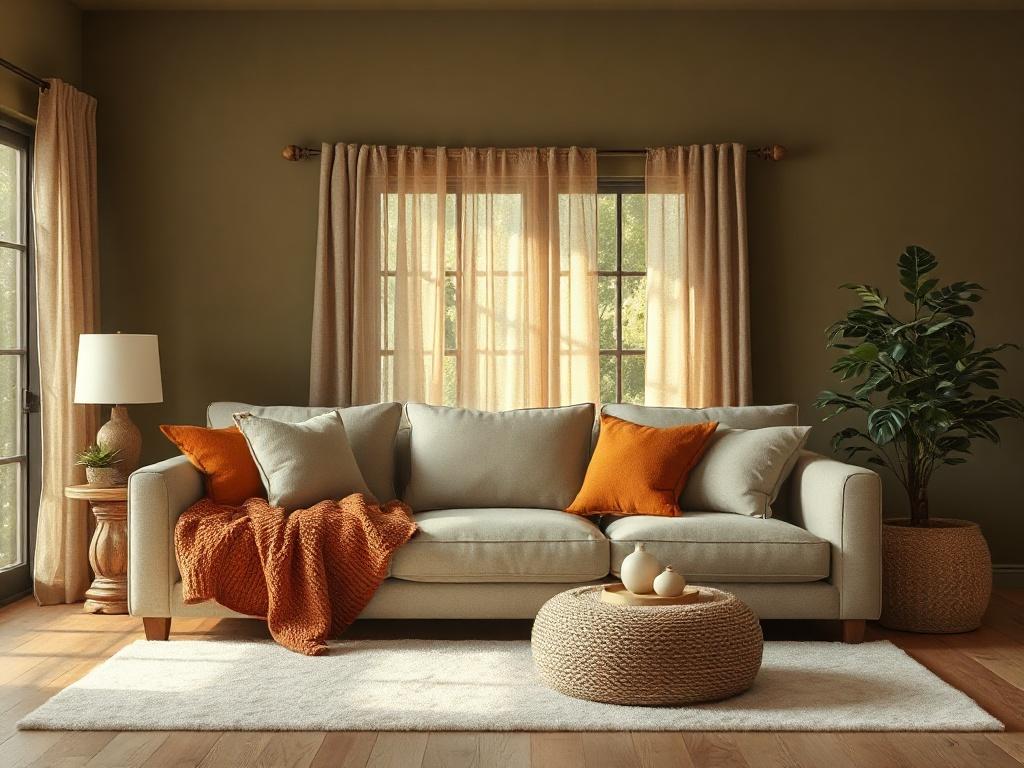
In today's fast-paced world, creating spaces that nurture our emotional well-being has never been more important. Interior design plays a pivotal role in shaping our experiences within our environments, influencing our mood, productivity, and overall sense of comfort. As we explore the connection between emotional well-being and design choices, we uncover how conscious decisions in our living and workspaces can foster a sense of peace, creativity, and connection.
Discover how emotional resonance transforms your space by delving into the impact of elements like color and texture. These crucial aspects of design not only enhance aesthetic appeal but also evoke powerful feelings and memories, guiding us toward the atmosphere we desire. Join us as we examine how embracing emotional well-being in interior design can lead to spaces that resonate with our innermost selves, ultimately creating a harmonious and inviting environment.
Understanding emotional well-being in design choices
Emotional well-being significantly influences our design choices, as our surroundings can greatly affect our mood and overall mental health. When we curate a space that reflects our personal aesthetics and emotional needs, we create an environment that nurtures our well-being. Factors such as lighting, layout, and decor are not merely aesthetic; they play a crucial role in how we perceive and interact with our surroundings. By considering emotional resonance in design, we can foster a sense of tranquility, joy, or even inspiration within our spaces.
Individuals often overlook the psychological implications of their design decisions. For instance, a cluttered workspace can evoke feelings of stress and overwhelm, while an organized and colorful home nook may invite relaxation and creativity. By understanding the relationship between emotional well-being and design choices, we empower ourselves to make more mindful selections that enhance our living and working environments. Ultimately, fostering emotional resonance in interior design helps create spaces that not only please the eye but also promote mental clarity and emotional comfort.
The impact of color and texture on your feelings
Color and texture play pivotal roles in shaping our emotional experiences within a space. For instance, warm hues like reds and yellows can evoke feelings of warmth, energy, and comfort, fostering an environment that encourages social interaction and creativity. Conversely, cooler shades such as blues and greens promote tranquility and focus, making them ideal for relaxation areas or workspaces where concentration is key. When selecting colors for your interior design, consider how these emotional responses align with the activities you engage in within that space.
Texture also contributes significantly to emotional resonance. Soft, plush materials can create a sense of coziness and security, prompting relaxation and calmness, while sleek, hard textures can impart feelings of order and sophistication. Combining different textures can evoke a balance between comfort and style, enhancing the overall aesthetic of the space. By thoughtfully integrating color and texture, you can curate an environment that not only looks great but also nurtures your emotional well-being, significantly influencing your daily experiences in that space.
Discover how emotional resonance transforms your space
Emotional resonance in interior design goes beyond aesthetics; it actively shapes our experiences and enhances our emotional well-being. By choosing elements that resonate with positive emotions—like comfort, joy, and tranquility—you can create a sanctuary that reflects your personal story. Integrating familiar objects, family heirlooms, or art that evokes cherished memories enriches your environment, fostering a strong emotional connection. As you thoughtfully curate your space, consider how each item resonates with your feelings and enhances your daily life, turning your home into a place where you feel truly at ease.
Moreover, the layout of your space also plays a crucial role in emotional resonance. Open, airy designs can inspire optimism and creativity, while cozy, intimate arrangements may evoke feelings of safety and warmth. By experimenting with furniture placement and spatial flow, you can build an environment that caters to your emotional needs. Thoughtfully designed lights and natural elements further amplify this emotional connection, allowing for serene moments of reflection and rejuvenation. In essence, emotional resonance is not just about beauty; it is an opportunity to weave your emotions into your home and transform it into a nurturing haven that positively influences your overall well-being.