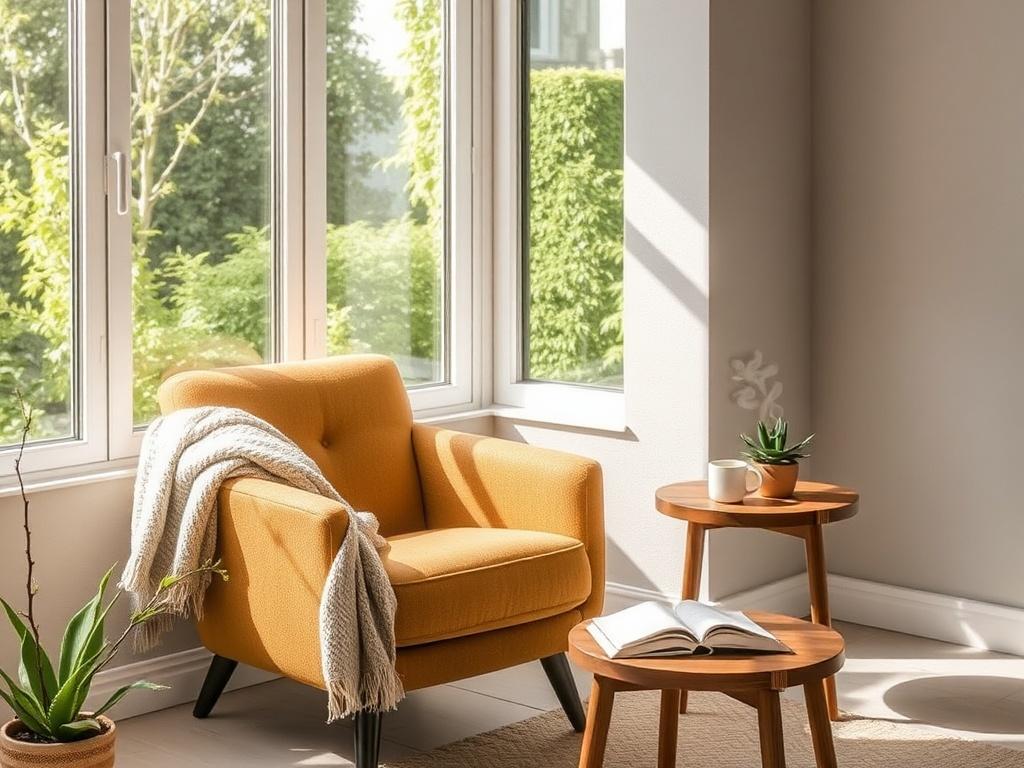
In today's fast-paced world, the spaces we inhabit play a critical role in shaping our emotional health and overall well-being. Thoughtful interior design goes beyond aesthetics; it actively nurtures mental stability and fosters a sense of tranquility. By carefully considering elements such as color, light, and texture, interior designers can create environments that not only appeal to the eye but also promote comfort and psychological resilience. This blog post will explore how thoughtful interior design enhances emotional health, shedding light on the powerful connection between our surroundings and our mental state.
In the following sections, we will delve into the key elements of thoughtful design that contribute to a holistic sense of well-being, from the incorporation of natural elements to the importance of spatial layout. We will also present real-life examples of spaces that exemplify this thoughtful approach, demonstrating how design choices can significantly influence our mood and feelings. Join us as we examine these aspects and discover how transforming our interiors can lead to a healthier, more balanced life.
Understanding the connection between interior design and emotional health
Interior design plays a crucial role in shaping our emotional health and overall well-being. The spaces we inhabit daily influence our mood, stress levels, and even our productivity. Thoughtful interior design considers elements like color, light, and layout to create environments that support mental wellness. For instance, calming color palettes can evoke feelings of serenity, while a well-lit room can uplift spirits and enhance focus. By consciously choosing how to design our surroundings, we can foster a sense of comfort and belonging that positively impacts our emotional state.
Moreover, research has shown that the physical environment can significantly affect our psychological well-being. Spaces that encourage natural light, incorporate greenery, and provide cozy gathering areas can mitigate anxiety and promote relaxation. Intentional design choices, such as using sustainable materials or creating open spaces for social interaction, can further encourage a positive emotional atmosphere. By exploring how thoughtful interior design enhances emotional health, we can unlock the potential of our environments to support our mental and emotional needs.
Key elements of thoughtful design that promote well-being
Thoughtful interior design integrates colors, textures, and layouts that directly impact our emotions and mental health. For instance, incorporating natural elements like plants and wood can create a sense of calm and connection to nature, promoting relaxation. Utilizing warm color palettes, such as soft earth tones, can evoke feelings of comfort and safety. Additionally, the arrangement of space plays a crucial role; open layouts encourage social interaction while cozy nooks provide a retreat for solitude and introspection. By prioritizing these design elements, spaces can effectively cater to the emotional needs of their occupants.
Moreover, lighting is a fundamental aspect of thoughtful design that significantly influences well-being. Natural light enhances mood and energy levels, making it essential to maximize daylight in a space. Designers often use large windows or skylights to flood areas with sunlight, while soft, adjustable artificial lighting can create a relaxing atmosphere during evening hours. Sound and scent also contribute to a feeling of well-being; incorporating sound-absorbing materials and essential oil diffusers can create a serene environment. By thoughtfully considering these elements, designers can craft spaces that not only look beautiful but also foster emotional health and overall happiness.
Real-life examples of spaces that enhance emotional health
Many public spaces embody thoughtful interior design that promotes emotional well-being. For instance, the Green Building at the University of Hawai'i incorporates biophilic elements such as ample natural light, indoor plants, and open-air designs that invite the outside in. Research shows these features significantly reduce stress and enhance mental clarity, making the building a sanctuary for students and faculty alike. A visit to this space reveals how intentional design choices foster a sense of tranquility and connection with nature, demonstrating that a harmonious environment can greatly influence emotional health.
In residential design, the concept of cozy minimalism has gained popularity as individuals seek to create soothing home environments. Houses that embrace this philosophy often feature neutral color palettes, soft textiles, and clutter-free spaces. A well-known example is the home of renowned interior designer Marie Kondo, who transforms cluttered living spaces into serene havens. Kondo’s approach highlights the importance of surrounding oneself with items that spark joy, reinforcing the emotional benefits of mindful selection and arrangement. These examples illustrate that when designers prioritize emotional health in their concepts, they create spaces that nurture well-being and happiness.